Ted Turner Passes Away At 87, Leaves Lasting Legacy On Wrestling Industry

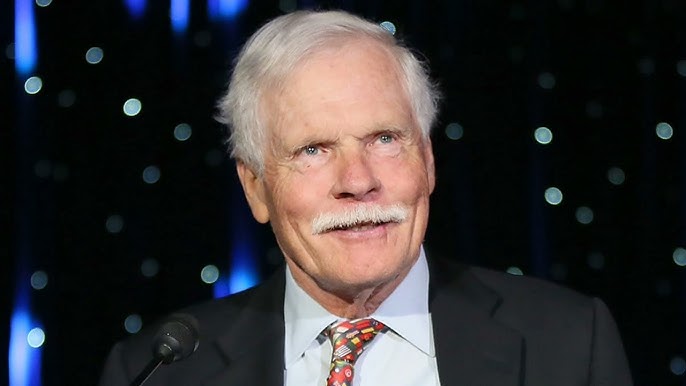
The wrestling world is mourning the loss of one of its most influential behind-the-scenes figures. Media mogul Ted Turner has passed away at the age of 87, according to CNN. Turner, best known as the driving force behind multiple major television networks and the former owner of World Championship Wrestling, died surrounded by family.

While his legacy spans far beyond wrestling—having founded CNN and played a key role in launching networks like TBS and TNT—Turner’s impact on the pro wrestling business is impossible to overstate.

Born in Cincinnati, Ohio in 1938, Turner first became involved with wrestling in the early 1970s when Georgia Championship Wrestling found a home on his TBS Superstation. That relationship helped introduce wrestling to a national cable audience and laid the groundwork for what would become a decades-long influence on the industry.

Things escalated in 1984 during the infamous Black Saturday, when WWE took over GCW’s time slot. The move didn’t sit well with Turner, and it ultimately pushed him to become more hands-on in the wrestling business. He soon brought in Mid-South Wrestling and later facilitated a deal that put Jim Crockett Promotions in that same slot—setting the stage for a fierce rivalry with Vince McMahon.

By 1988, Turner fully committed, purchasing JCP from Jim Crockett Jr. and transforming it into World Championship Wrestling. From there, WCW grew into WWE’s biggest competitor.

Turner’s most significant contribution came in 1995 when he approved Eric Bischoff’s idea for WCW Monday Nitro, launching the iconic Monday Night Wars. For a period between 1996 and 1998, WCW surged ahead, briefly overtaking WWE as the top promotion in the United States.

Despite being a relatively hands-off owner creatively, Turner remained one of WCW’s biggest champions internally, ensuring the company stayed on the air even when other executives were skeptical. His support proved crucial during both WCW’s rise and its eventual decline toward the end of the 1990s.

Following the AOL-Time Warner merger in 2001, Turner’s influence diminished significantly. With WCW struggling financially and losing its television foothold, the company was ultimately sold to McMahon, bringing Turner’s time in wrestling to a close.

Even after stepping away, Turner’s name remained synonymous with one of wrestling’s most competitive and transformative eras. Without his willingness to invest in and believe in pro wrestling, the landscape of the industry—particularly during the 1990s—would look very different today.

Ted Turner’s contributions helped shape modern wrestling into what it is now, and his legacy will continue to be felt for generations to come.

Former WCW Star Van Hammer Passes Away at 66

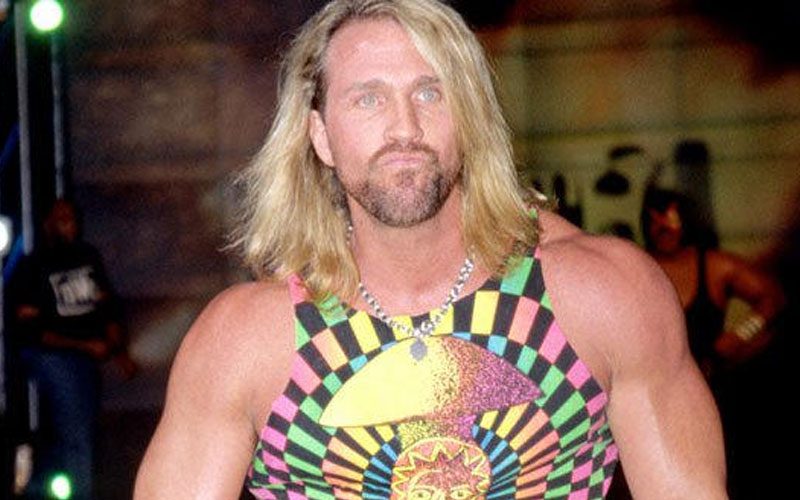
The wrestling world is mourning the loss of former WCW talent Van Hammer, real name Mark Hildreth, who has passed away at the age of 66. The news was shared by longtime friend and fellow wrestler Marc Mero, who announced the passing on social media over the weekend.

Mero paid tribute to Hammer with a heartfelt message, remembering him as someone who faced life’s challenges head-on and never stopped pushing forward. He also noted that those close to Hammer are still awaiting more information regarding the cause of death.

The two shared a deep bond that went back to their earliest days in the business. According to Mero, Hammer once drove him eight hours to secure his first WCW contract—a moment that spoke volumes about their friendship. They trained together, lived together, and eventually worked side-by-side promoting WCW during their early careers.

Van Hammer was signed to WCW in 1991 by Dusty Rhodes and debuted with a memorable “Heavy Metal” rock star persona. He remained with the company through early 1995 before stepping away for a period. Hammer later returned in 1997 as part of Raven’s Flock, showing a different side of his character during one of WCW’s more unique factions.

His run with the group included a notable storyline where he defeated Perry Saturn in a “loser leaves the Flock” match—only to be ousted from the faction anyway. He later experimented with a short-lived hippie-style gimmick as his WCW run wound down. While Hammer challenged for the United States Heavyweight Championship during his time with the company, he never captured a major title.

Following his departure from WCW in 2000, Hammer continued wrestling on the independent scene, including a stint with Maryland Championship Wrestling and a tour with Big Japan Pro Wrestling in 2001. He remained active in the ring for several years, with his final match taking place in April 2009, where he picked up a win over Champ Champagne.

Van Hammer may not have held championship gold, but his contributions to WCW and the friendships he built along the way left a lasting impression. He is remembered by fans and peers alike as a resilient figure who stayed passionate about the business throughout his life.

Legendary Mid-Atlantic & WCW Announcer Bob Caudle Passes Away at 95

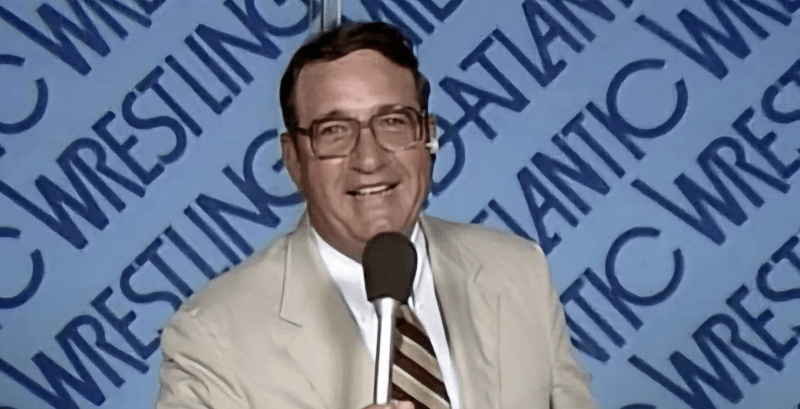
The wrestling world is mourning the loss of one of its most iconic voices, as Bob Caudle, a staple of Mid-Atlantic, NWA, and WCW programming for decades, has passed away at the age of 95. His son Mike confirmed the news, sharing that Caudle died peacefully in his sleep.

Caudle’s career in broadcasting began humbly in Wilmington, North Carolina, before moving to Savannah, Georgia, where he first stepped into the world of wrestling as the host of a studio show. After returning to North Carolina, he became the weatherman for Raleigh’s WRAL — the same station where NWA Atlantic Wrestling was taped weekly — setting the stage for the role that would cement his place in wrestling history.

For fans of Jim Crockett Promotions, Caudle’s voice is unforgettable. He fronted some of the company’s most recognizable programs, including All-Star Wrestling, Wide World Wrestling, Mid-Atlantic Championship Wrestling, and World Wide Wrestling. His calm, steady delivery and genuine warmth made him one of wrestling’s most beloved broadcasters.

Caudle also teamed with Jim Ross on several major NWA/WCW pay-per-views in the late ’80s, adding credibility and tradition during a transformative time for the company. After leaving WCW in 1991, he continued calling action in Smoky Mountain Wrestling until the promotion closed its doors.

Bob Caudle’s contributions helped shape the sound and feel of an entire era of professional wrestling. His legacy lives on through countless classic broadcasts and the many fans who grew up hearing his signature sign-off: “So long for now.”

WrestlingNewsBlog extends heartfelt condolences to the Caudle family and everyone touched by his legendary career.

Raven Opens Up About Mental Health Struggles in New Documentary

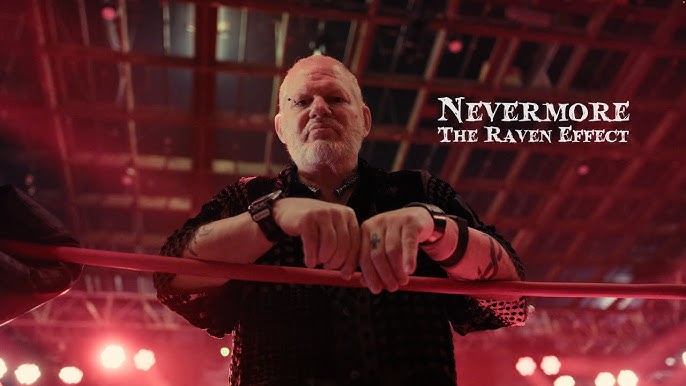
ECW legend and former WWE, WCW, and TNA star Raven is known to wrestling fans as one of the sharpest minds and most captivating talkers of the 1990s. But behind the dark promos and brooding character, the man behind the persona—Scott Levy—was fighting an emotional battle that fans never saw.

In his newly released documentary, Nevermore: The Raven Effect, the hardcore icon opens up about his journey to sobriety and the mental health challenges that shaped both his life and career.

Raven revealed that he lives with multiple personality disorders, a diagnosis he discovered by accident during treatment. “You’re not supposed to know your diagnosis,” he explained, “but I happened to read it upside down on my doctor’s desk… it said histrionic personality disorder and narcissistic personality disorder. To me, it was freeing—now I understood why I behaved the way I did.”

The former ECW World Champion went on to describe how those disorders affected his life and relationships. “Narcissistic Personality Disorder is basically egomania,” he said. “But histrionic is more twisted—needing to be the center of attention, being overly dramatic, using appearance to draw attention. I checked all the boxes.”

Raven connected much of his emotional turmoil to his complicated relationship with his father. He recalled that his dad’s constant insults and sarcasm shattered his self-esteem, leading him to overcompensate through ego and bravado. “If I brag about myself and convince you that I’m great,” Raven admitted, “maybe you’ll convince me that I am.”

He shared that it wasn’t until his father’s passing that he was finally able to move forward. “When he died, that’s when I finally became an adult. I was 35, but before that, I was still a kid chasing my dad’s approval.”

For fans who followed Raven’s career through the chaos of ECW, the bright lights of WWE, and the creative freedom of TNA, this revelation offers a deeply human look at the man behind one of wrestling’s most complex characters.

Raven’s story is a reminder that even the toughest minds in the business fight battles that go unseen—and his willingness to open up about those struggles continues to make him one of wrestling’s most compelling voices, both in and out of the ring.

Steve “Mongo” McMichael Passes Away at 67 After Courageous Battle With ALS

The wrestling and sports worlds are mourning the loss of a true warrior today, as Steve “Mongo” McMichael has passed away at the age of 67. The former Chicago Bears defensive standout, turned WCW star, died Wednesday following a four-year fight with ALS (amyotrophic lateral sclerosis).

McMichael’s legacy spans far beyond the gridiron. A cornerstone of the legendary 1985 Super Bowl-winning Chicago Bears—famously dubbed the “Monsters of the Midway”—McMichael was enshrined into the Pro Football Hall of Fame in 2024. But wrestling fans remember him just as fondly for his larger-than-life persona in the squared circle.

“Mongo” made a smooth transition from football to pro wrestling in the mid-90s, becoming a colorful figure in WCW. He initially joined the promotion as a commentator but quickly stepped into the ring, aligning himself with one of the most iconic factions in wrestling history: The Four Horsemen. During his in-ring tenure, McMichael captured the WCW United States Heavyweight Championship in 1997 by defeating Jeff Jarrett, a moment that cemented his place in wrestling lore.

McMichael’s later years were marked by a brave public battle with ALS, which he was diagnosed with in 2021. His health struggles became increasingly severe, and earlier this year he was hospitalized with MRSA and required a blood transfusion. On Wednesday, reports emerged that McMichael had entered hospice care after being taken off a ventilator. His passing was confirmed by WGN’s Jarrett Payton, who was with him during his final moments.

“With deep sorrow, I share that Steve McMichael passed at 5:28 PM after a brave fight with ALS surrounded by loved ones,” Payton posted on X (formerly Twitter). “I’m grateful to have been with him in his final moments. Please keep Steve and his family in your prayers.”

From hard-hitting tackles to Horsemen beatdowns, Steve McMichael lived every moment with intensity and charisma. Whether you knew him from Soldier Field or the WCW ring, “Mongo” left a lasting impression. His resilience, both as an athlete and as a man fighting a devastating disease, will not be forgotten.

WWE issued the following statement on Mongo’s passing on X (formerly Twitter):

“WWE is saddened to learn that Steve “Mongo” McMichael has passed away. WWE extends its condolences to McMichael’s family, friends, and fans.”

WWE Brings WCW Back to Life with New YouTube Channel

WWE is tapping into wrestling nostalgia in a big way, bringing the legendary World Championship Wrestling (WCW) back to life with a brand-new YouTube channel. Launched on March 6, 2025, this dedicated platform is a dream come true for longtime fans, offering a vast collection of classic WCW moments, including full matches, pay-per-view events, and complete episodes of Monday Nitro and Thunder.

A Treasure Trove of WCW History

For years, WCW content has been mixed into WWE’s broader video library, but now it’s getting the standalone treatment it deserves. This new channel is packed with unforgettable moments from wrestling icons like Sting, Ric Flair, Goldberg, and the nWo, allowing fans to relive the chaos and excitement that defined WCW’s rise in the 1990s. Whether it’s Hulk Hogan’s shocking heel turn at Bash at the Beach 1996 or the electric debut of Nitro in 1995, the channel offers a front-row seat to some of wrestling’s most talked-about events.

The Perfect Timing for WCW’s Return

This move comes at an interesting time for WWE’s digital strategy. With the WWE Network no longer available outside the U.S. and uncertainty surrounding its Peacock deal, WWE appears to be exploring new ways to deliver classic content to fans worldwide. Free access to WCW’s golden era on YouTube is a major win for fans who want to revisit—or experience for the first time—the era when WCW was giving WWE a serious run for its money during the Monday Night Wars.

How to Watch

If you’re a die-hard WCW fan or just curious about one of the most influential eras in wrestling history, this is a must-subscribe channel. Head over to YouTube.com/@WCW, hit that subscribe button, and relive the days when “Where the Big Boys Play” wasn’t just a slogan—it was a revolution in professional wrestling.

Colonel DeBeers Passes Away at 80: A Wrestling Villain Remembered

The professional wrestling world is mourning the loss of Edward Wiskoski, better known to fans as Colonel DeBeers. The Cauliflower Alley Club confirmed his passing at the age of 80, sharing that Wiskoski died on January 23 in Arizona, where he had lived in retirement. While no cause of death has been made public, the announcement marks the end of an era for fans who remember his infamous work in the ring.

The Cauliflower Alley Club released a heartfelt statement on social media, saying, “It is with profound sadness that the Cauliflower Alley Club announces the passing of Ed Wiskowski, better known to wrestling fans as Colonel DeBeers, at the age of 80. We extend our sincerest condolences to his family, friends and fans worldwide. Thank you for the memories. R.I.P. Sir.”

A Legacy in Wrestling

Breaking into the business in 1972, Wiskoski was trained by wrestling legends Harley Race and Lord Littlebrook. Known for his tough-as-nails brawling style and his ability to cut fiery promos, he carved out a memorable career across several promotions. While he made appearances in both WWE and WCW, it was his work in the AWA where he truly left his mark as Colonel DeBeers.

The Colonel DeBeers character stood out as a larger-than-life villain from Apartheid-era South Africa, a role designed to provoke outrage from fans. With his military-inspired look and controversial rhetoric, DeBeers became one of wrestling’s most despised heels during his heyday. His high-profile feud with Jimmy Snuka is remembered as a cornerstone of his career, cementing him as a heat magnet in the wrestling world.

Controversial Character, Complex Legacy

While Colonel DeBeers was effective at drawing heat, his gimmick—a white supremacist military figure—sparked significant criticism, even during the less politically sensitive era of the 1980s. Many fans and wrestlers alike questioned the decision to portray such a divisive character, and his legacy remains a point of debate. Hardcore wrestling enthusiasts often reflect on his work as a masterful performance, separating the performer from the character, though the gimmick itself has not aged well in modern times.

Remembering Edward Wiskoski

Edward Wiskoski stepped away from the wrestling business years ago, living a quiet life in Arizona. Little is known about his personal life, though it has been reported that he is survived by at least one daughter.

Despite the controversy surrounding the Colonel DeBeers character, Wiskoski’s career highlights his ability to inhabit a role so convincingly that fans couldn’t help but despise him—a hallmark of wrestling’s greatest villains. The wrestling world sends its condolences to his family, friends, and fans as they remember the man behind the mustache-twirling heel.

Rest in peace, Edward Wiskoski. Thank you for the memories.

Kevin Sullivan Dies At Age 74

Kevin Sullivan, best known for his villainous performances and stint as lead booker for World Championship Wrestling, has reportedly died at age 74. The news was broken Friday morning by Pro Wrestling Insider. Sullivan had been dealing with health issues lately following complications from emergency surgery.

Sullivan is perhaps most notable to a certain generation of wrestling fans as the leader of the Three Faces of Fear and the Dungeon of Doom, stables that menaced Hulk Hogan in 1990s WCW prior to Hogan’s heel turn and “Hollywood” persona as part of the New World Order. He’s also remembered for his role in the intricate backstage politics of WCW, including his personal and professional rivalry with the late Chris Benoit and the infamous “I respect you, bookerman” incident involving Brian Pillman. Appropriately, Sullivan’s last match as a wrestler was against Pillman’s son, current “WWE NXT” star Lexis King, in 2019.

WWE issued the following on the death of Kevin Sullivan:

WWE is saddened to learn Kevin Sullivan has passed away at age 74.

A unique and influential figure in sports-entertainment history, Sullivan found success both in the ring and behind the scenes with his penchant for far out ideas that pushed creative boundaries.

As a villain, Sullivan was a major rival for the ring’s most legendary heroes, including Dusty Rhodes, Hulk Hogan and The Road Warriors. He specialized in leading dangerous factions, which included his wicked Army of Darkness, collegiate bullies The Varsity Club, and the wild Dungeon of Doom, which introduced Big Show to the wrestling world. The onetime “Taskmaster” also became a creative force behind the scenes for WCW.

WWE extends its condolences to Sullivan’s family, friends and fans.

Source: Wrestling Inc.

Madusa Commends Fellow WWE Hall Of Famer Goldberg For Admitting He Was Wrong

Goldberg is a crucial part of the second episode of VICE TV’s “Who Killed WCW,” where both his meteoric rise and his lack of formal training are touched upon. Bret Hart pulls no punches about Goldberg’s hazardous ring style due to the way an errant kick ended his career, but others are more forgiving. Former WCW women’s wrestler Madusa spoke on “Busted Open Radio” about why she thinks Goldberg is actually portrayed favorably in the documentary. 
 
“Is it his fault?” Madusa asked. “Who pushed him like a motherf***? No, it’s not.”

A scene from the second episode shows a match between Goldberg and Scott Hall where the former blows a spot and immediately becomes confused. Hall asks Goldberg what he’s doing, and the latter responds that he doesn’t know. According to Madusa, that demonstrated a great deal of nerve.

“For a man to be humbled and to fin’ bring it out and say, ‘I don’t know.’ He didn’t know! You know what, I applaud him… And then I hear all these comments about… how he’s fin’ this and that. And I’m like, you know what? He’s a bigger man than you to admit he’s wrong, because I don’t know too many men that can f***in’ admit that they’re wrong or be humbled or accept something. He went on national TV and said that… I commend him.”

Scott Hall is one of several wrestlers that were rumored to have heat with Goldberg during the course of their career. But Madusa thinks he made the best with what he was given, and likened the situation to another WWE Superstar fans have seen more recently.  “Look what happened to Ronda Rousey for Christ’s sake. They took her, they did the whole Brock [Lesnar] thing with her, and I feel that she did the best she could in what she had.”

Source: Wrestling Inc. with credit to Busted Open Radio

Dwayne The Rock Johnson’s Production Company Working On Docuseries About Fall Of WCW

In addition to his status as a major movie star, Dwayne “The Rock” Johnson has his own production company, known as Seven Bucks Productions. In addition to producing movies he stars in, Johnson has endeavored to finance other projects, such as the recent “Tales from the Territories,” the documentary “Stuntman,” and the film “Fighting With My Family.” A new report from Deadline indicates that another wrestling project is on the horizon for Johnson. This time, it’s a docu-series focused on the history of World Championship Wrestling, the once-dominant Turner promotion that folded in the early 2000s and was bought out by WWE. Deadline stated that Seven Bucks is partnering with Vice Media for the series, though it’s not known when it’s planned for release.

The report referred to the end of WCW as “mysterious,” hinting that the upcoming series will focus on the reasons behind the company’s downfall. WCW got its start in 1988 when Ted Turner purchased the assets of Jim Crockett Promotions, turning them into a new brand that would air on his TV networks. Though the company eventually rose to challenge and even briefly surpassed WWE, it wouldn’t last. The last real WCW match took place in March 2001, and the company was bought out several months later.

Appearing on the latest “Wrestling Observer Radio,” co-hosts Dave Meltzer and Bryan Alvarez poked fun at the idea of labeling WCW’s downfall as “mysterious.” Additionally, the two men pointed out that Johnson was likely too busy at the time to be watching WCW’s programming, and if he had watched the company’s shows, the reasons behind WCW’s demise wouldn’t be a mystery. Meltzer also believes he has an idea of how the finished product will come across.

“I presume that they’ll have Bischoff all over it, and once you have Bischoff all over it, you’re just going to have the total ‘full of st’ story,” Meltzer said. “‘All those people [were] out to get us’ as opposed to — you know, you just f*ed up. You drove all your fanbase away. … I don’t want to say it’s just him, but he was part of that deal.”

Meltzer stated that the reasons behind the end of WCW were the falling ratings and loss of profits, making it relatively straightforward to determine why the company went out of business when it did.

Source: Wrestling Inc.