

In an industry built on high-impact storytelling and physical spectacle, the phrase “bump card” has long symbolized the finite number of hits a wrestler can safely absorb in their career. But thanks to the work of former WWE Superstar turned neuroscientist Dr. Chris Nowinski, that card might last a little longer these days.
Speaking on a recent episode of Talk Is Jericho, Nowinski reflected on how far professional wrestling has come in terms of protecting its performers from the long-term effects of head trauma, particularly chronic traumatic encephalopathy (CTE). His mission began after a series of devastating losses rocked the wrestling world — including the deaths of Test, Superfly Snuka, Mr. Fuji, Axl Rotten, Balls Mahoney, and most infamously, Chris Benoit.
“Wrestling is dramatically safer than it used to be,” Nowinski told Chris Jericho. “They’re putting top-down constraints on what can happen.” He credits these changes to a cultural shift in the business — one that encourages smarter in-ring decision-making and values longevity over spectacle.
While many fans are aware that chair shots to the head are now banned in WWE, Nowinski pointed out that the real progress is happening behind the scenes. Ringside doctors are more visible, wrestlers are taking fewer unnecessary risks, and there’s a growing focus on executing moves that pop the crowd without endangering the performer’s health.
AEW, he noted, still allows the occasional high-risk spot, but even there, he sees a growing consciousness among talent. “Performers are now empowered to realize, ‘I don’t need to go off the top of a ladder through a table if there’s another way to get the same reaction,’” Nowinski said. “They’re thinking more about the reward versus the risk — and about brain health.”
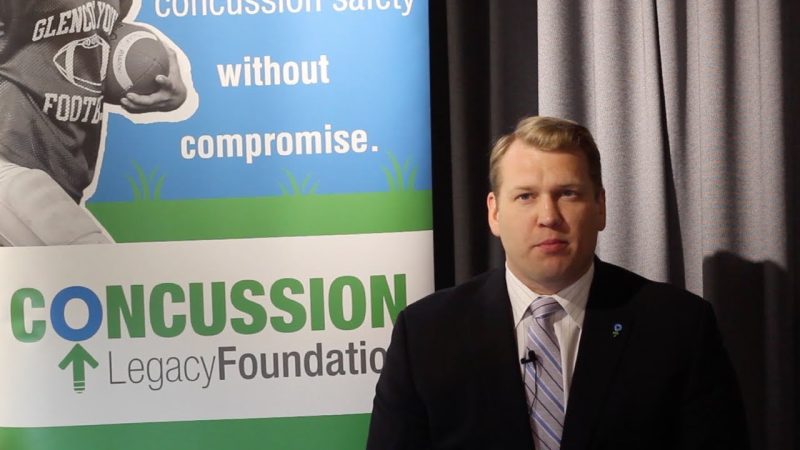
Once dismissed or ignored, the conversation around concussions and CTE is now a serious part of wrestling’s evolution. And for Nowinski, who has been leading the charge for over a decade through his work with the Concussion Legacy Foundation, the industry’s response has been nothing short of encouraging.
As the business continues to balance its roots in spectacle with the reality of athlete health, it’s clear that the future of wrestling lies not just in louder pops or riskier stunts — but in smarter storytelling and longer, healthier careers.
 Wrestling News Blog